New Construction in Las Vegas: What Every Buyer Needs to Know Before Signing Anything
Las Vegas is one of the most active new construction markets in the country. There are builders breaking ground in virtually every corner of the valley right now, from Summerlin West to Henderson to Skye Canyon and beyond. And for relocation buyers especially, the appeal makes total sense. A brand-new home with modern finishes, no deferred maintenance, and a builder warranty is a pretty compelling option when you're moving from across the country and want to simplify the process.
But here's the thing. Walking into a model home in Las Vegas without doing your homework first is one of the most common and costly mistakes buyers make. The model is gorgeous, the sales rep is friendly, and before you know it you've signed something that doesn't work in your favor. Dale and the Abella Team work with new construction buyers every week, and these are the things they wish every buyer knew before setting foot on a builder's lot.
The Builder Rep Works for the Builder, Not for You
This is the single most important thing to understand about buying new construction. The on-site sales agent you meet at the model home has one job: to represent the builder's interests and protect the builder's bottom line. They are not your advocate. They are not working to get you the best deal. They are friendly and professional, but they are not on your side of the table.
Having your own real estate agent representing you in a new construction purchase costs you nothing extra. Builders price agent commissions into their cost structure, so the buyer's agent is paid by the builder. What you gain is someone who knows which lots are priced fairly, which floor plans hold value better, where the lot premiums are buried in the contract, and how to negotiate additional incentives the builder has not advertised. That last part matters more than most buyers realize.
Incentives Are Real, But They Come with Strings
Builder incentives in Las Vegas are genuinely substantial right now. According to the National Association of Home Builders, roughly 66 percent of builders nationwide are offering incentives, which is the highest level in five years, and the Las Vegas market reflects that trend. Across communities from Cadence to Inspirada to Skye Canyon, builders have been offering interest rate buydowns of one to three percentage points, closing cost credits ranging from $10,000 to $30,000, and design center upgrade allowances between $15,000 and $75,000 depending on the builder and the community.
Some builders like Pulte, Lennar, D.R. Horton, Richmond American, and KB Home have been especially active with financing programs tied to their in-house lenders. The catch, and there always is one, is that most of these incentives require you to use the builder's preferred lender. That's not automatically a problem, but you need to compare the total cost of the loan, not just the rate on the flyer. A buydown with a higher base rate can sometimes end up costing more over the life of the loan than a slightly higher rate from an independent lender with lower fees.
The incentives that are not advertised are often the best ones. Dale has walked into new construction sites and had builder reps quietly mention rate buydowns or upgrade credits that were never posted online. Builders want to move inventory, especially as they approach fiscal year-end or phase completions, and they have more flexibility than they let on. Having an agent who has relationships with those builders and knows how to ask the right questions can unlock thousands of dollars in savings that the average buyer never even knew were available.
Builder Contracts Are Not the Same as Standard Real Estate Contracts
This is where a lot of buyers get caught off guard. When you buy a resale home in Nevada, both sides sign a standard purchase agreement that has been developed and refined by the real estate industry to protect buyers and sellers equally. Builder contracts are written by the builder's legal team to protect the builder. They are not neutral documents.
Builder contracts typically include clauses around what happens if the build timeline is extended, how upgrades are handled at the design center, what your options are if you need to back out, and how disputes are resolved. Lot premiums, which are the additional cost to secure a corner lot, a cul-de-sac lot, or a lot with a specific view, can add $20,000 to $80,000 to the purchase price and they are sometimes buried in the paperwork in a way that surprises buyers at signing. Having someone review that contract before you sign is not optional if you want to protect yourself.
Nevada law does provide three tiers of warranty coverage for new construction homes: a ten-year structural warranty, a two-year systems warranty covering electrical, plumbing, and HVAC, and a one-year workmanship warranty for finish items. Knowing what's covered and for how long gives you important protection and peace of mind, especially in the first couple of years of ownership.
Timeline: What to Expect from Start to Close
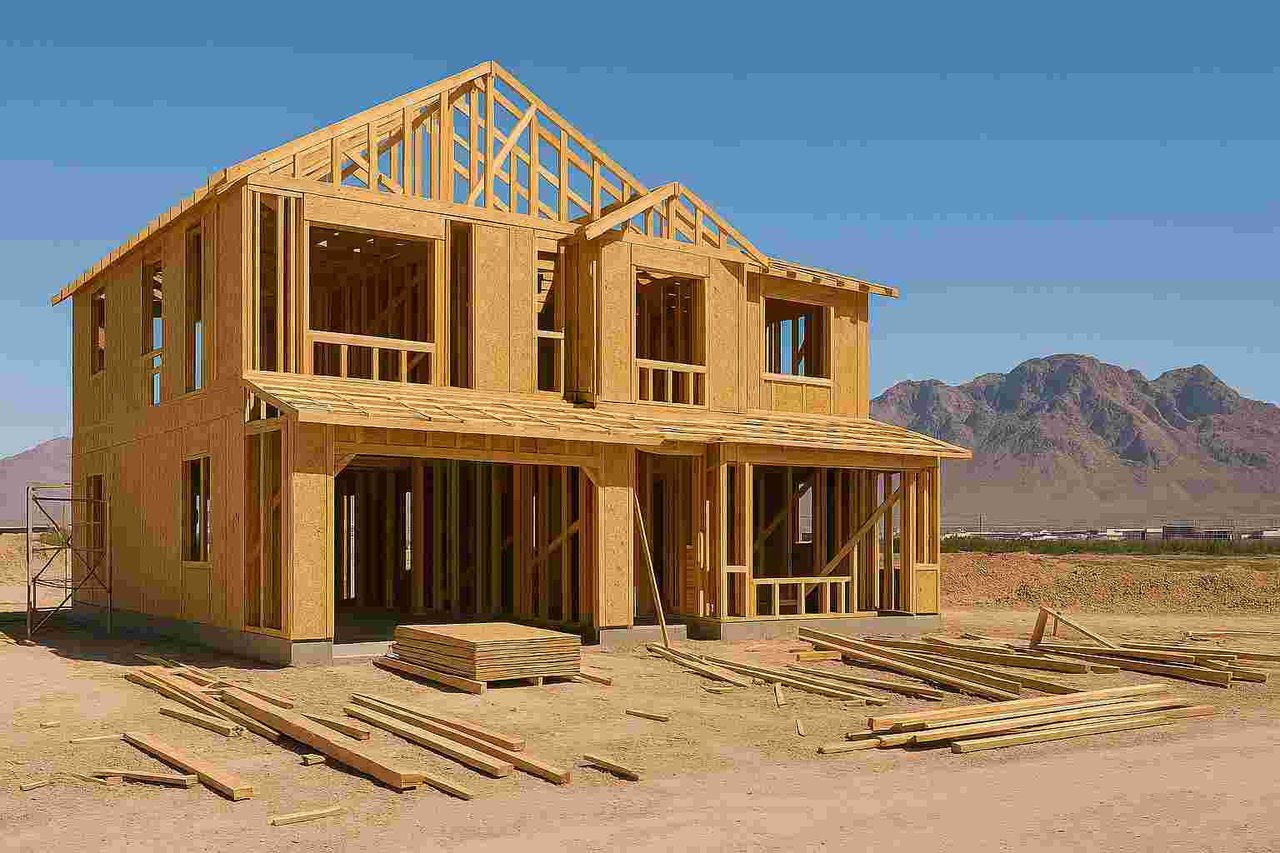
One of the biggest variables in buying new construction is the timeline, and it varies widely depending on where the home is in the build process when you get involved. Standing inventory, meaning homes that are already completed or nearly done, can close in as little as 30 to 90 days. A home that is currently under construction might take three to six months. A dirt lot where you are choosing your floor plan and structural options from scratch typically runs six to ten months for a production builder like Lennar or D.R. Horton, and eight to fourteen months for a semi-custom builder like Toll Brothers.
For relocation buyers especially, this timeline question matters. If you need to be in Las Vegas by a specific date because of a job start or a school year, a quick move-in home on standing inventory might be the right answer. If you have flexibility and want to customize your finishes, a build-to-contract makes more sense. The Abella Team helps relocation buyers map out this decision based on their actual timeline and priorities, not just what the builder has available this week.
New Construction vs Resale: How to Decide
It's worth stepping back and making sure new construction is actually the right call for your situation. New construction carries an approximate ten to fifteen percent price premium per square foot over comparable resale homes in Las Vegas. You get a modern floor plan, energy efficiency, current building codes, and a clean slate. What you give up is established landscaping, a mature neighborhood feel, and often a larger lot. Resale homes in communities like Green Valley, Summerlin's older villages, and parts of Henderson offer larger lot sizes and more character at a lower price per square foot.
For relocation buyers who want zero surprises and the ability to personalize their space, new construction usually wins. For buyers who want immediate move-in, established surroundings, and more square footage for the money, resale deserves a serious look. The Abella Team works with both, and Dale will always give you a straight answer on which option actually makes more sense given your budget, your timeline, and what you're trying to get out of this move.
Ready to Start Your Las Vegas Home Search?If you're thinking about making a move to Las Vegas, Dale Abella and the team offer a free, no-pressure relocation consultation to help you figure out if Vegas is the right fit and where to start looking. Book your free call at: calendly.com/daleabella20/new-home-consultation |
The Abella Team | eXp Realty Las Vegas
Call or Text 702-765-0736
License No. S.0190387

Keywords: new construction Las Vegas, buying new construction Las Vegas, Las Vegas builder incentives, new homes Las Vegas 2026, Dale Abella realtor Las Vegas